How Current Global Wars Are Impacting India’s Economy, Trade and Security in 2026
Global wars are affecting India through rising oil prices, trade disruptions, inflation, and security challenges. Learn how current conflicts are impacting the Indian economy and businesses.
POLITICS
Akshay Rawal
3/6/20264 min read
How Current Global Wars Are Impacting India’s Economy, Trade and Security
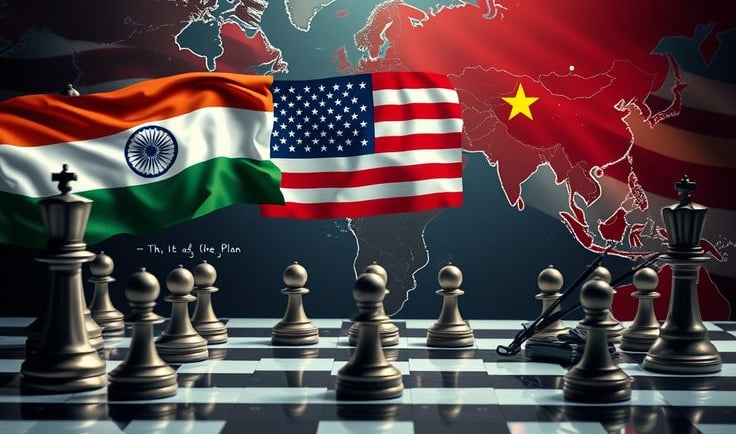
In today’s interconnected world, wars are no longer limited to the countries directly involved in the conflict. Global wars and geopolitical tensions are now influencing economies across the world. Even though India may not be directly involved in these conflicts, the impact of global war on India can still be seen in rising fuel prices, disrupted trade routes, financial market volatility, and increasing security concerns.
Conflicts such as the Russia-Ukraine war, tensions in the Middle East, and attacks on global shipping routes have created ripple effects across international markets. As one of the world’s fastest-growing economies, India is highly integrated with global trade and energy markets, making it vulnerable to geopolitical instability.
This article explains how current global wars are affecting India’s economy, trade systems, and strategic position.
Rising Oil Prices and Energy Security Risks
One of the most direct effects of global conflicts is the increase in crude oil prices. India imports over 80% of its crude oil requirements, which means disruptions in global oil supply quickly impact the Indian economy.
When wars occur in oil-producing regions such as the Middle East, global energy markets become unstable. This leads to higher crude oil prices, which directly affect India’s import bill.
Higher oil prices result in:
Increased fuel prices in India
Higher transportation and logistics costs
Rising inflation across industries
Pressure on the Indian rupee and fiscal balance
If oil prices remain high for long periods due to global conflicts, it can slow economic growth and increase the cost of living for millions of people.
Disruptions in Global Trade and Shipping Routes
Another major impact of war on India’s economy comes through disruptions in international shipping routes.
Recent instability in the Red Sea region has forced many global shipping companies to avoid the Suez Canal and take longer routes around Africa. This significantly increases shipping time and freight costs.
For India, this is critical because a large portion of its international trade passes through this region.
The consequences include:
Longer delivery times for exports and imports
Increased shipping and logistics costs
Delays in industrial supply chains
Reduced competitiveness of Indian exports
Industries such as textiles, pharmaceuticals, chemicals, and automobile components are particularly affected by these disruptions.
Impact on Indian Exports and Global Trade Relations
Global conflicts can significantly affect India’s international trade relationships. Wars often reduce economic stability in affected regions, which lowers demand for imports.
As a result:
Indian exports to conflict regions may decline
Businesses face uncertainty in international markets
Supply chains become unpredictable
At the same time, geopolitical conflicts can also reshape trade patterns. For example, the Russia-Ukraine war allowed India to purchase discounted Russian crude oil, which changed global energy trade flows.
This shows that while wars create challenges, they can also open new economic opportunities.
Financial Market Volatility in India
Another noticeable effect of global war on India is financial market instability.
Whenever geopolitical tensions rise, global investors often react quickly. Stock markets around the world experience volatility, and India is no exception.
Common financial impacts include:
Sudden fluctuations in the Indian stock market
Weakening of emerging market currencies
Rising commodity prices
Uncertainty among investors
Certain sectors such as aviation, logistics, and manufacturing may experience losses due to rising fuel and shipping costs. Meanwhile, sectors like defense manufacturing, cybersecurity, and strategic technology may benefit from increased demand.
Strategic and Security Concerns for India
Beyond economic effects, wars also create strategic challenges for India’s foreign policy and national security.
India maintains diplomatic relationships with multiple global powers, including the United States, Russia, Israel, and several Middle Eastern nations. Managing these relationships during times of conflict requires careful diplomatic balancing.
Additionally, instability in the Middle East is particularly important for India because:
Millions of Indians work in Gulf countries
The region sends billions of dollars in remittances to India every year
Major energy supplies come from this region
Any escalation of conflict could therefore impact both India’s economy and its overseas citizens.
Rising Inflation and Cost of Living
Global conflicts often cause disruptions in supply chains, which increases the prices of essential commodities.
Wars can push up the global cost of:
Oil and fuel
Food grains
Fertilizers
Metals and industrial materials
When these prices increase globally, they eventually impact domestic markets in India. This results in higher retail prices and a rising cost of living for consumers.
How India Is Responding to Global Conflicts
Despite these challenges, India is actively working to reduce the impact of global conflicts on its economy.
Key strategies include:
Diversifying energy import sources
Increasing domestic manufacturing under Make in India initiatives
Expanding trade partnerships with multiple countries
Investing in alternative trade corridors and logistics routes
Strengthening naval security in key maritime zones
These steps aim to make India’s economy more resilient to global geopolitical shocks.
Conclusion
The impact of global wars on India is significant even when the country is not directly involved in the conflicts. Rising oil prices, disrupted shipping routes, trade uncertainty, and financial market volatility all demonstrate how interconnected the modern world has become.
However, India’s strong economic growth, diversified diplomacy, and strategic planning provide resilience against these global shocks. As geopolitical tensions continue to shape the global landscape, India’s ability to adapt and strengthen its economic independence will be key to managing the challenges ahead.